
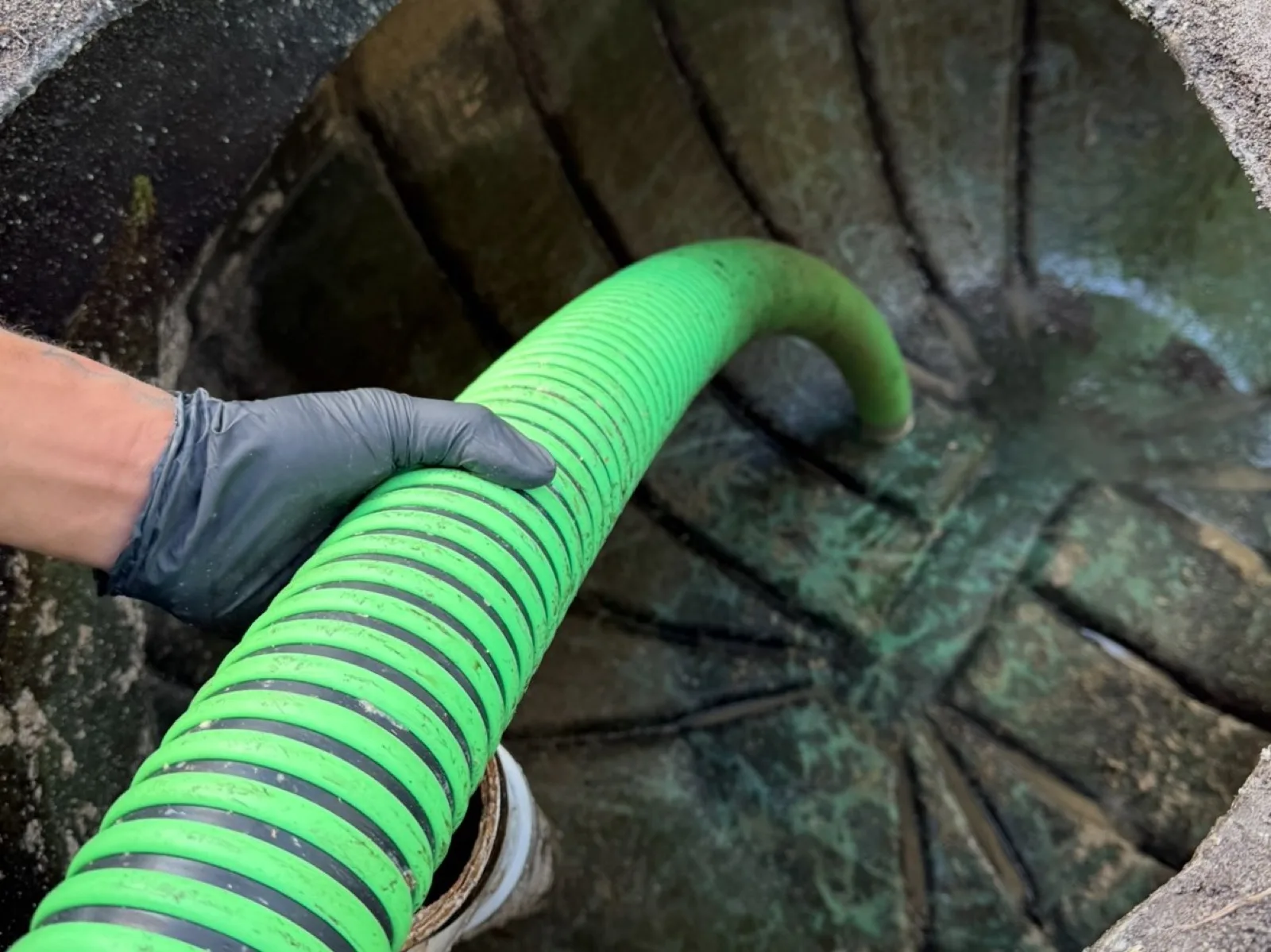
How much does a septic inspection cost in Florida?
HomeAdvisor’s June 2026 guide puts a septic inspection at $200 to $900, with a $550 average. The Septic Guide’s March 2026 figures run $150 to $650, depending on the type. Both are national numbers. A visual check sits at the low end, and a detailed inspection for a home sale sits near the top.
Your own number depends on details no national guide can see. A buried lid or a tank that needs pumping changes the bill. Our septic tank inspection service quotes each job free on the phone, with a real arrival window.
What do the 2026 cost guides say a septic inspection costs?
HomeAdvisor lists $200 to $250 for a routine annual check and $250 to $400 for a basic inspection. Its detailed inspection, the tier used for home purchases, runs $400 to $700. The Septic Guide prices a visual check at $100 to $200 and a full inspection at $300 to $500.
| Inspection type | Typical range | Source |
|---|---|---|
| Septic inspection, national range | $200 to $900 | HomeAdvisor, June 2026 |
| Visual check, tank not opened | $100 to $200 | The Septic Guide, March 2026 |
| Routine annual inspection | $200 to $250 | HomeAdvisor, June 2026 |
| Basic inspection, every three years | $250 to $400 | HomeAdvisor, June 2026 |
| Full inspection, pumping often included | $300 to $500 | The Septic Guide, March 2026 |
| Real estate transaction inspection | $300 to $650 | The Septic Guide, March 2026 |
| Detailed inspection for a home purchase | $400 to $700 | HomeAdvisor, June 2026 |
The Septic Guide warns that these labels mean different things to different companies, so ask what a price covers. Its visual check does not open the tank. Its full inspection adds pumping and a probe of the drain field.
Our inspection checks the tank, lids, baffles, liquid level and drain field. The findings go into a written report. When the tank is due, it can be pumped on the same visit.
Which add-ons raise the price of a septic inspection?
Extra work on the day adds to the base price. The Septic Guide lists $50 to $250 to dig down to a buried lid. It adds $100 to $300 to find a tank with no records, and $125 to $500 for a camera inspection. HomeAdvisor prices pumping at $290 to $560.
| Add-on | Typical added cost | Source |
|---|---|---|
| Digging to a buried lid | $50 to $250 | The Septic Guide, March 2026 |
| Locating a tank with no records | $100 to $300 | The Septic Guide, March 2026 |
| Pumping the tank | $290 to $560 | HomeAdvisor, June 2026 |
| Camera inspection of the sewer line | $125 to $500 | The Septic Guide, March 2026 |
| Dye test of drain field absorption | $150 to $250 | The Septic Guide, March 2026 |
| Report formatted for a lender or health department | $50 to $150 | The Septic Guide, March 2026 |
What changes the number on your inspection?
HomeAdvisor names the two main cost drivers: the type of inspection and how easy the tank is to reach. Pumping and the condition of the drain field also move the number. The report you need and how soon you need it can add more on top.
- Lid depth. A buried lid means digging, and that $50 to $250 repeats at every visit. A septic riser lid brings the opening up to ground level. The Septic Guide puts risers at $100 to $400, one time.
- Pumping. Many companies quote the inspection and the pump-out as separate charges. Our guide to what septic tank pumping costs in South Florida breaks that price down by tank size.
- The drain field. Soggy ground or a sewage smell over the field calls for a closer look. The Septic Guide prices that diagnostic visit at $500 to $900, with extra testing built in.
- Timing. The Septic Guide lists a $50 to $100 premium for a rush booking inside 24 to 48 hours. We work 24 hours a day, 7 days a week. A tight closing date still gets a real arrival window.
When does Florida require a septic inspection?
Rarely, for a standard tank and drain field that works. Under Rule 62-6.001(4), an approved system in good working order stays valid under its original permit. No government may require an inspection at the point of sale. The big trigger is an addition that raises the sewage flow.
Before that work starts, you must apply for and receive reapproval of the existing system. Every tank gets pumped first by a permitted septage disposal service. Then a person the rule names, like a registered septic tank contractor, checks the empty tank for defects or leaks.
A system approved in good shape within five years needs no new inspection, barring a record of failure. When an addition will raise the sewage flow, the system must also be brought into full compliance with current rules.
The county health department office charges its own fee for evaluating a system previously in use. State law keeps that fee within $40 to $115. The pump-out and the tank check are separate work, priced by whoever does them.
Counties and cities without a first magnitude spring may adopt their own evaluation programs by local ordinance. Even then, the ordinance may not require an evaluation at the point of sale. Our guide to Florida septic rules and permits covers the rest of the permit picture.
Who handles septic permits and inspections in Broward County?
In Broward, the county health department office still does the permitting and inspection for septic tanks. The Florida Department of Health in Broward County asks people to work with it for all permitting-related needs, so a Broward reapproval for an addition goes through that office. Statewide, FDEP counts an estimated 2.6 million septic systems in operation.
Those systems serve approximately 30 percent of Florida’s population, and Florida holds 12 percent of all U.S. septic systems. We are based in Pembroke Pines and work across Broward, Palm Beach and Miami-Dade.
Do you need a septic inspection to buy or sell a Florida home?
Florida does not require one for a sale. State law bars any government from mandating a septic inspection at the point of sale. Buyers often order one anyway, since a general home inspection rarely looks closely at the septic. Lenders or insurers may ask for one too, so check early.
In most markets the buyer pays, as part of their due diligence, though The Septic Guide notes this is negotiable. The same guide says a $300 to $650 inspection can reveal problems costing $5,000 to $25,000 to fix. The system’s permit also transfers with the title to the buyer.
The Septic Guide prices a pre-listing inspection for sellers at the same $300 to $500 as any full inspection. A problem found before listing gets fixed on the seller’s schedule. Our written septic system inspection report works for a closing or a permit file.
How often should a septic system be inspected?
The EPA says an average household septic system should be inspected at least every three years. It adds that household tanks are typically pumped every three to five years. Many homeowners book both on one visit to save on the service call fee, per The Septic Guide.
What can a septic inspection turn up?
Findings usually land on one of two sides: the tank or the drain field. The Septic Guide lists cracked baffles and broken lids among the common failures. On the field side, HomeAdvisor’s warning signs include foul odors around the leach field and overly green patches of grass.
On the tank side, HomeAdvisor puts lid repair at $150 to $500 and baffle repair at $300 to $900. Replacing a whole system runs $3,000 to $20,000 in the same guide. A broken baffle or a cracked inlet line is septic tank repair work.
Drain field trouble is the bigger job. A failing field may need replacing, and our drain field installation team handles that work. Finding it during an inspection gives you time to plan.
How do you get a real number for your inspection?
Call with the city and the reason you need the inspection. Tell us whether the lid is buried or up at ground level, and when the tank was last pumped. That is enough for a free quote and a real arrival window on the same call, day or night.
One customer who booked an inspection wrote: “They responded quickly and offered a clear, fair estimate upfront.” Call (954) 350-2046 or use the quote form.